Discovering an Underground City in Mali Zvornik
HISTORYSERBIATOWN
2 min read
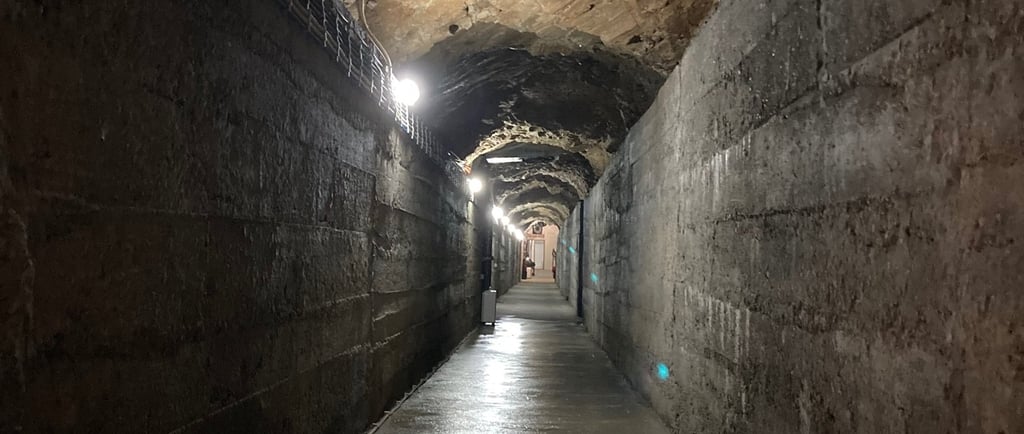
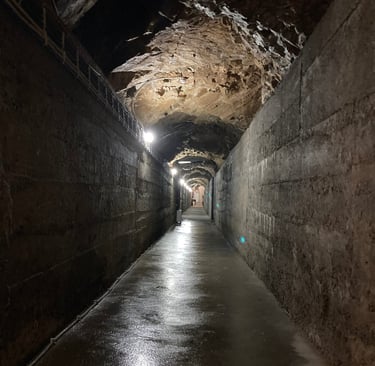
Not far from the Drina River’s edge, where a vast Iron Bridge spans the waters between Serbia and Bosnia, a steep limestone hill hides one of the most secretive relics of interwar Europe: the underground city built for the Karađorđević dynasty. It’s an architectural ghost-town of tunnels, halls, and silent rooms — unfinished, used only once.
In 1931, King Alexander I Karađorđević ordered construction of a subterranean refuge in the rocky hill above Mali Zvornik. The intent was grand: this would be a wartime command post, a shelter for thousands in case of invasion or bombardment. But history intervened. Construction stopped in 1934 with the assassination of Alexander in Marseille. Only about two-thirds of the shelter was completed.
Despite its incomplete state, the shelter was used once — in April 1941, when the young King Petar II Karađorđević spent his last night in Serbia here, before going into exile.
Maze Under the Hill
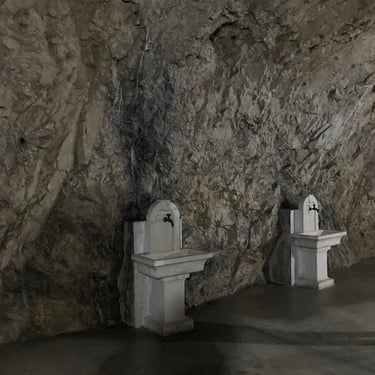
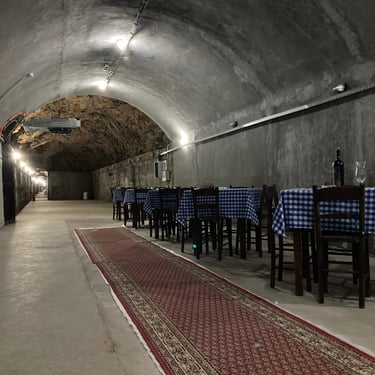
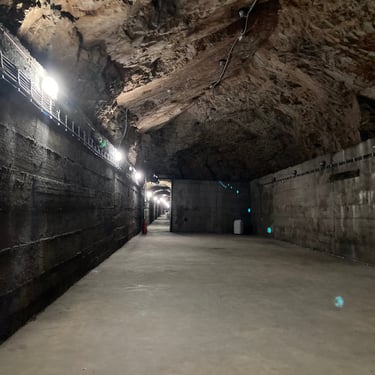
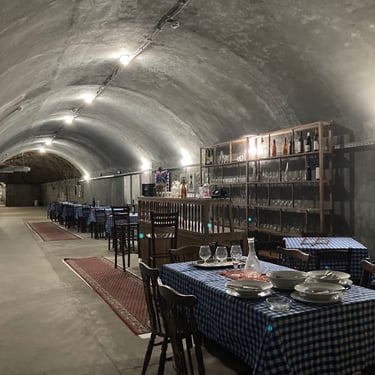
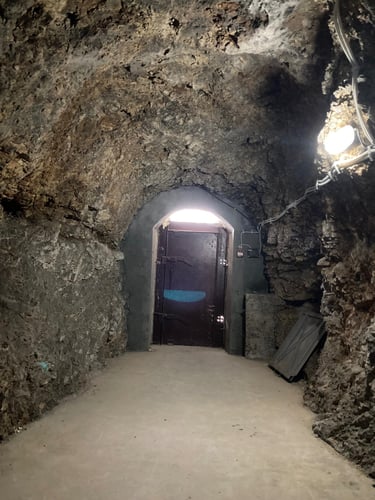
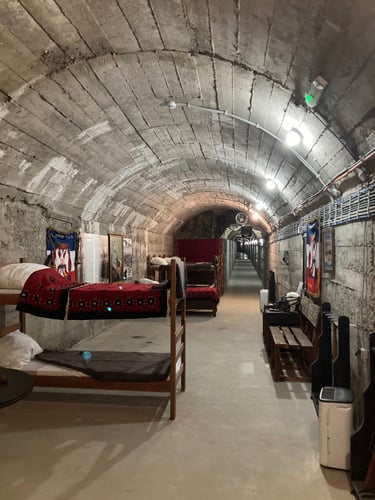
Today, what has survived is a labyrinth of corridors and rooms carved into natural hollows in limestone, spanning roughly 1.5 kilometres in passageways. Inside there are about 70-75 chambers, including halls, offices, sleeping quarters, royal apartments, the guards’ quarters, a chapel with altar space, a royal fountain and even a library or two.
The layout is intriguing. The tunnels are said to form the shape of a Holy Cross when seen from above. The walls of some halls are plastered and painted white; others are left raw, bearing the graffitied signatures of rare early visitors.
Walking this underground city gives a sense of both scale and strangeness. The temperature is stable — about 14-16 °C— and humidity is low, making the space not cold as one might expect, but quietly steady.
Some features hint at what might have been: there are 12 entrances, including heavy metal doors, ventilation shafts, water supply channels (even one or more passages leading or connected with the old Roman settlement Ad Drinum).
From Top Secret to Tourist Treasure
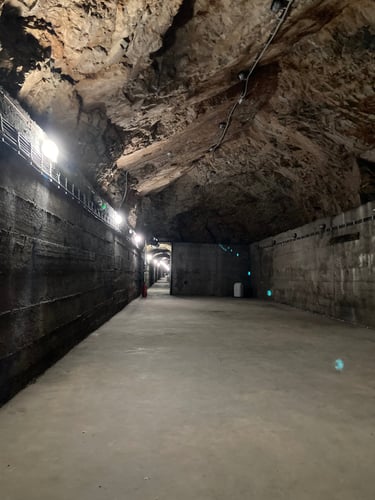
For decades after its abortive wartime use, the underground city lay more or less forgotten — sealed off, neglected, with many entrances hidden. But in recent years, interest has revived.
The transformation from a wartime secret into a tourist site is powerful: this place built for fear and hiding is now one of transparency and curiosity. It is a chance to descend beneath the beauty of the Drina Valley into something raw, layered, and unexpected.