Jajce: Where Waterfalls and History Collide
BOSNIAHISTORYTOWN
1 min read
Tucked in the heart of central Bosnia and Herzegovina, Jajce is a town that looks as though it has been plucked from a storybook. Home to around 25,000 people, it sits at the confluence of the Pliva and Vrbas rivers, where medieval walls meet cascading waterfalls, and Ottoman-era streets.
A Town Built on Water
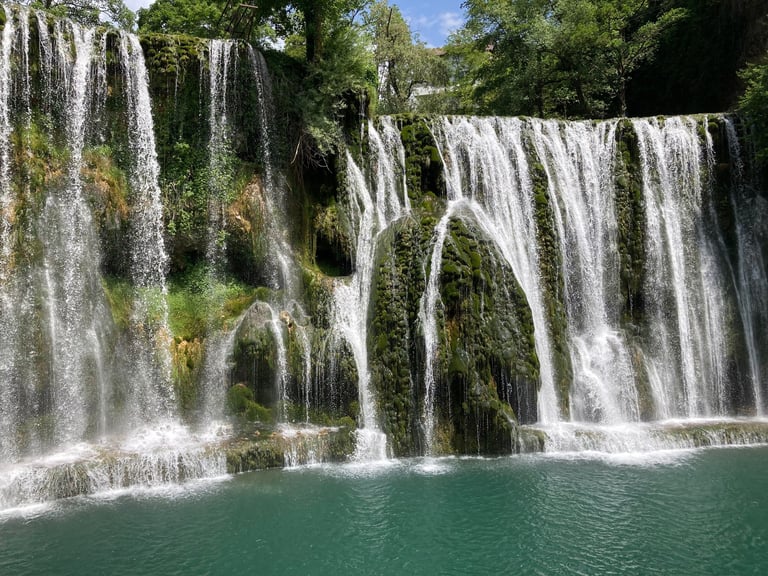
The first thing that strikes you in Jajce is the Pliva Waterfall, tumbling 17 metres straight into the heart of the old town. It’s one of the rare waterfalls in Europe located within a town centre, giving Jajce an immediately cinematic quality.
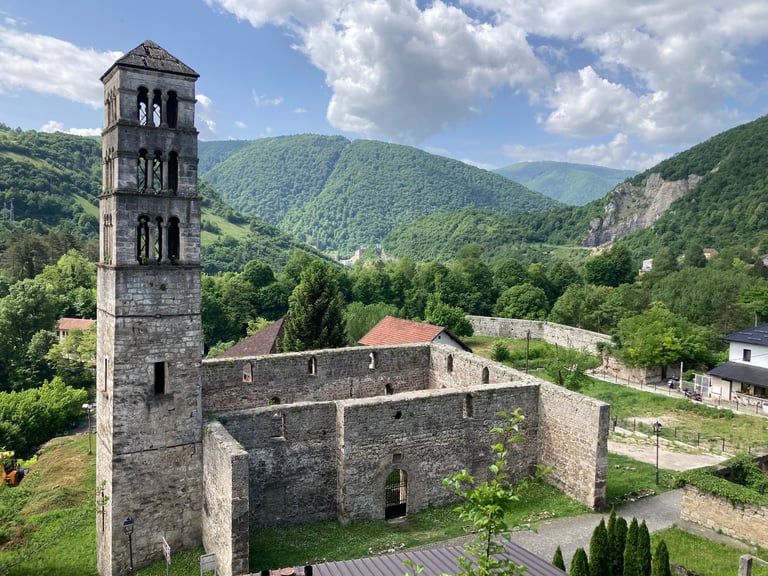
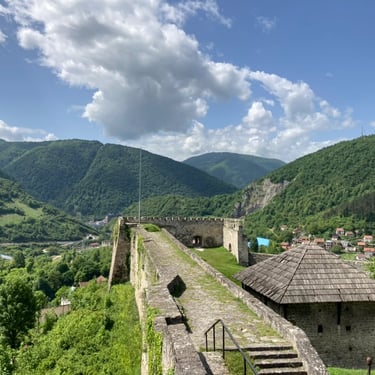
Beyond its natural beauty, Jajce’s story is layered. Founded in the 14th century, it became the capital of the Bosnian Kingdom in the late Middle Ages. Its medieval fortress, perched above the town, offers panoramic views of the rivers and surrounding mountains. Stone walls, turrets and narrow streets speak of a town built for defence and commerce alike.
Walk the cobbled streets of the old town and you’ll encounter Ottoman-era mosques, Austro-Hungarian architecture and the Cathedral of St. Mary, each layer a testament to the waves of influence that passed through this crossroads of Bosnia.
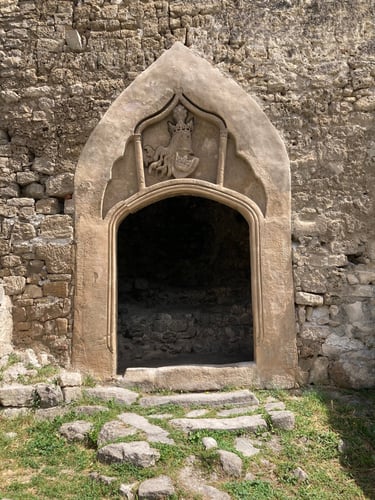
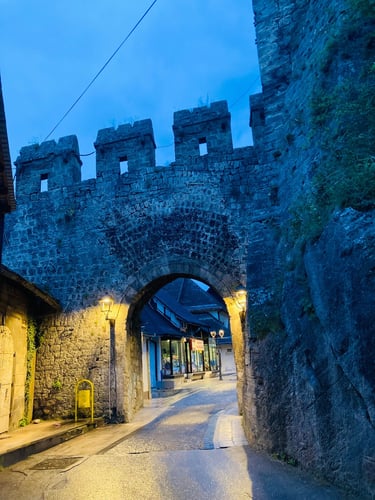
Jajce Fortress sits high above the confluence. From its ramparts, you can trace the meeting of the rivers, the red-tiled roofs of the old town and the distant mountain ridges. Inside the walls, small chapels, towers and remnants of defensive structures reveal the town’s medieval strategic importance.
Jajce also holds modern history. In 1943, it hosted the AVNOJ meeting, where the foundations of post-war Yugoslavia were laid, giving the town a key place in 20th-century history.
Jajce is a place where nature and history intertwine. And for those exploring Bosnia beyond Sarajevo and Mostar, Jajce offers a concentrated dose of culture, scenery and history, all set to the sound of rushing water — a reminder that even small towns can hold epic stories.