Midnight in Blue: Riding Tito’s Train Through Time
HISTORYSERBIATRAINSTITO
2 min read
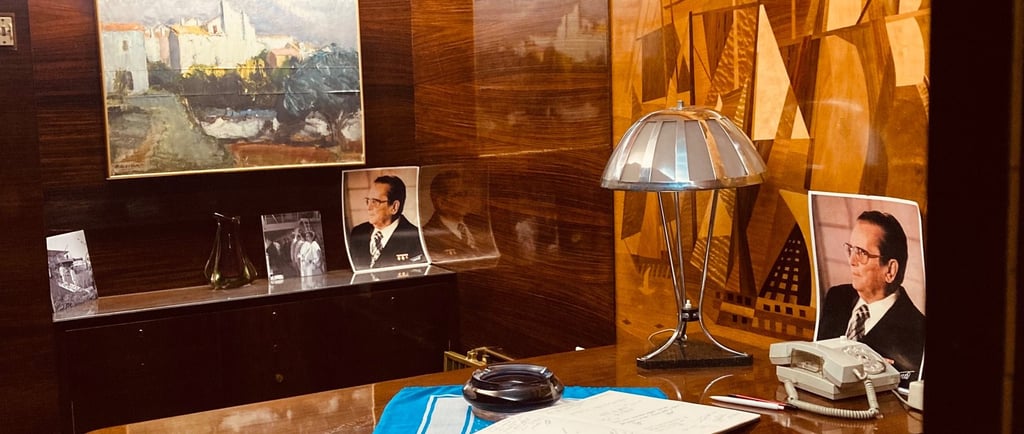
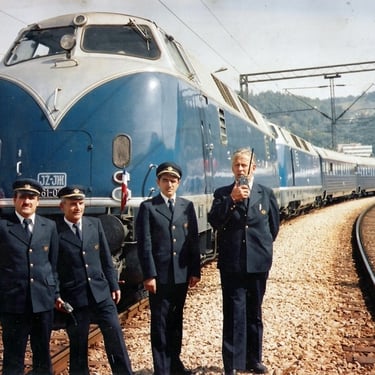
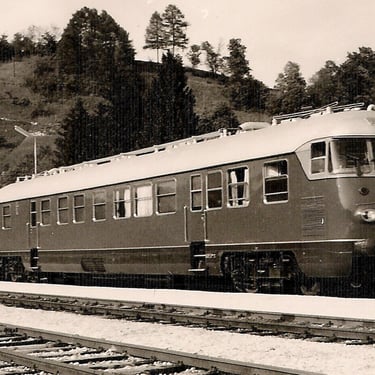
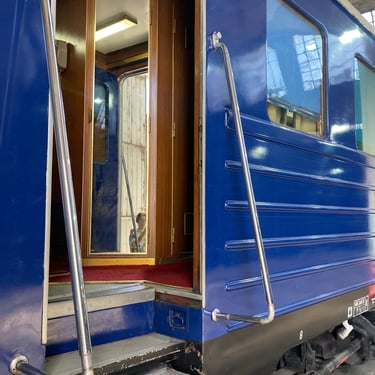
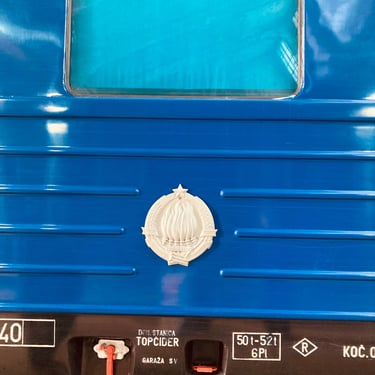
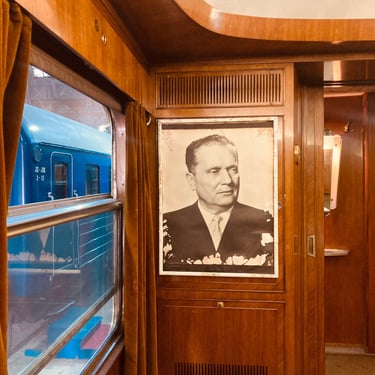
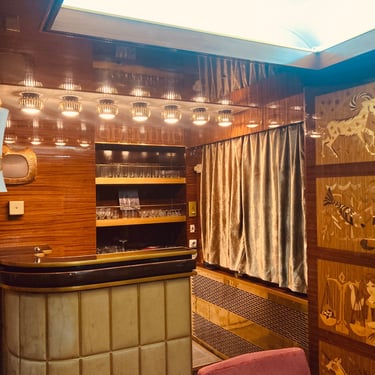
Once the pride of Yugoslavia’s railways, the Plavi Voz—literally “Blue Train”—was a travelling palace that embodied both Josip Broz Tito’s persona and his political vision. Tito, the wartime partisan who became the lifelong president of socialist Yugoslavia, ruled a federation of six republics. Built in the 1950s by Yugoslav Railways and assembled in the Železnice Štark plant in Maribor, Slovenia, the Blue Train was designed not just for transport but for performance. Its distinctive royal-blue colour was chosen to symbolise both luxury and Yugoslavia’s unity. Interiors were crafted by Yugoslav designers using native woods like walnut, cherry and mahogany, as well as Murano glass and Czech crystal. The train ran on diesel-electric locomotives made in Yugoslavia and could reach speeds of 120 km/h—fast for its era and terrain.
Every polished surface, every brass fitting, every crystal lamp was a declaration of modernity and control. It was equipped with a secret communications system so Tito could stay in touch with government officials while on the move.
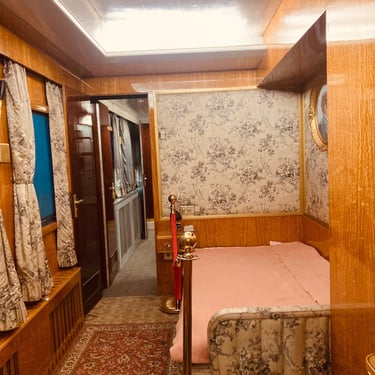
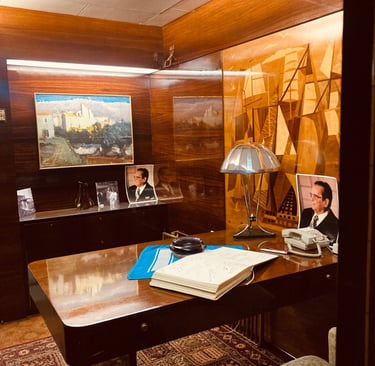
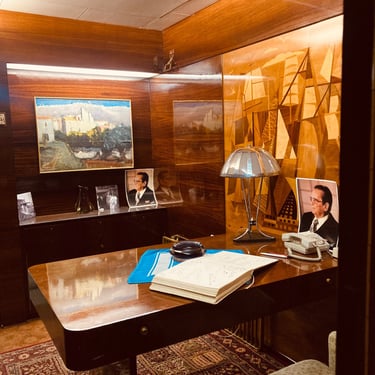
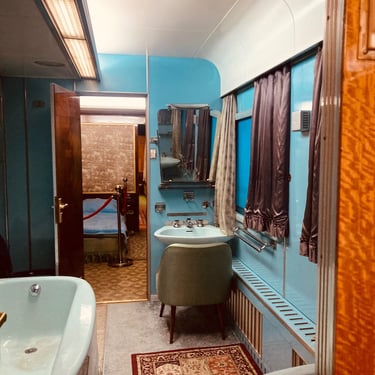
Now parked permanently at Topčider station in Belgrade, the train is a time capsule of Yugoslav glamour. Inside, the carriages feel frozen in time: walnut-panelled dining rooms, velvet-lined salons, gilt ashtrays, leather armchairs, Art Deco walls. There’s even a presidential bedroom and bathroom.
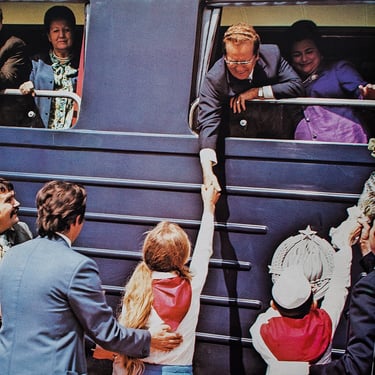
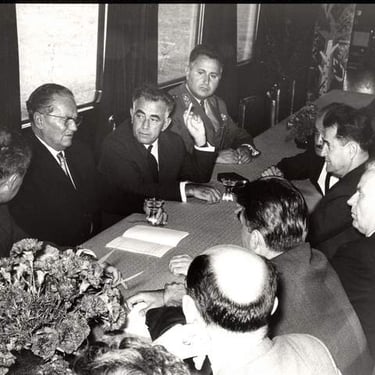
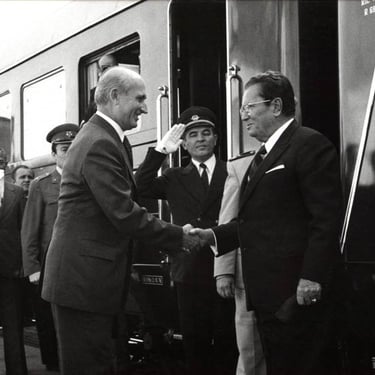
On the Blue Train, Tito entertained leaders from Fidel Castro to Haile Selassie, from Indira Gandhi to Richard Nixon, travelling in comfort while projecting power. When Queen Elizabeth II visited in 1972, the train was used for her tour of Yugoslavia — an event that caused a sensation at the time, symbolising Tito’s balancing act between East and West. He journeyed the length and breadth of his federation in these very carriages, receiving foreign dignitaries and hosting banquets on the move.
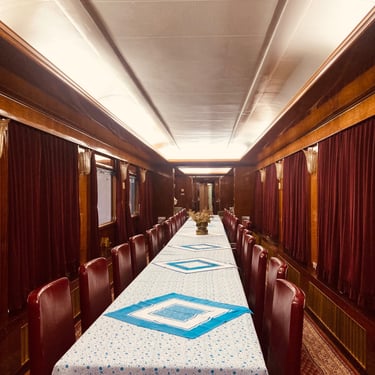
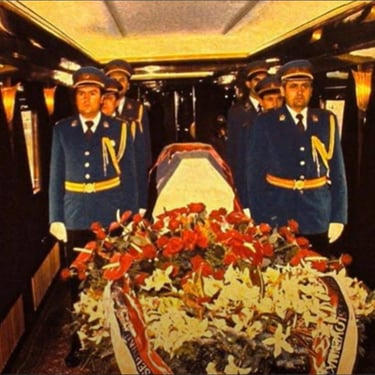
In one of the carriages sits a long table at the centre of the room — the very table where Tito’s coffin once rested as the Blue Train carried him from Ljubljana to Belgrade in 1980, turning the journey into a moving shrine watched by millions who lined the tracks to say goodbye.
The Blue Train may stand still today, but walking through its cabins you’ll feel transported back in time, as if history itself is waiting at the platform.