Tulzla: Saltwater in the Mountains
BOSNIANATURETHERAPEUTIC WATER
1 min read
From Salt Mines to Saltwater Shores
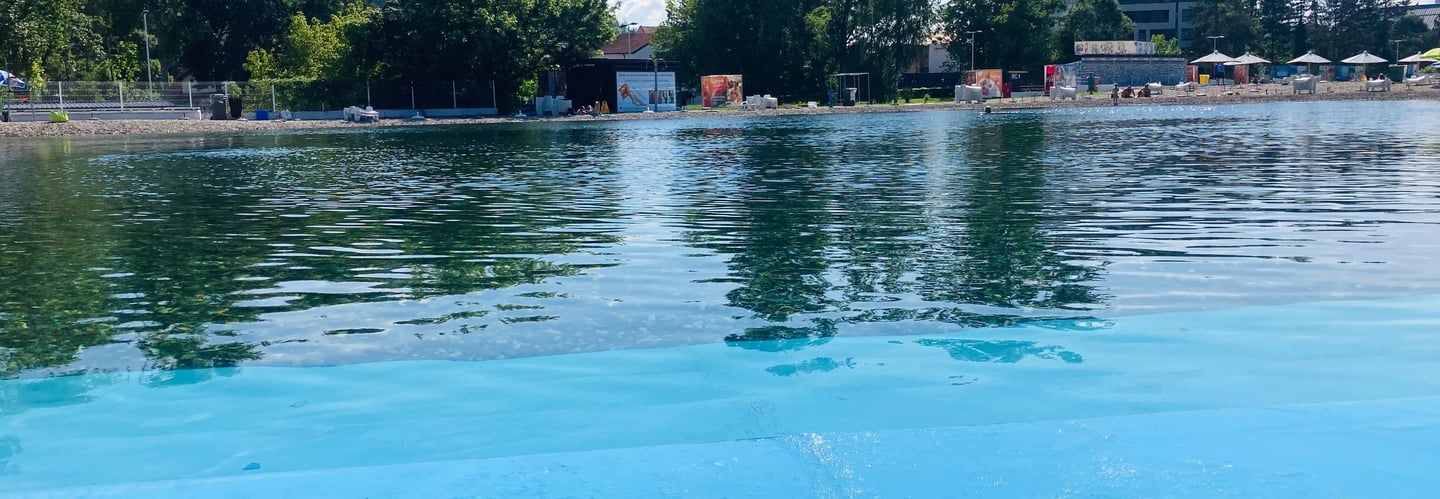
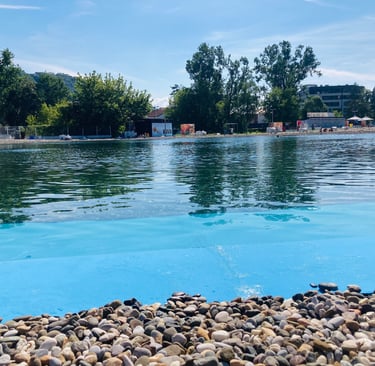
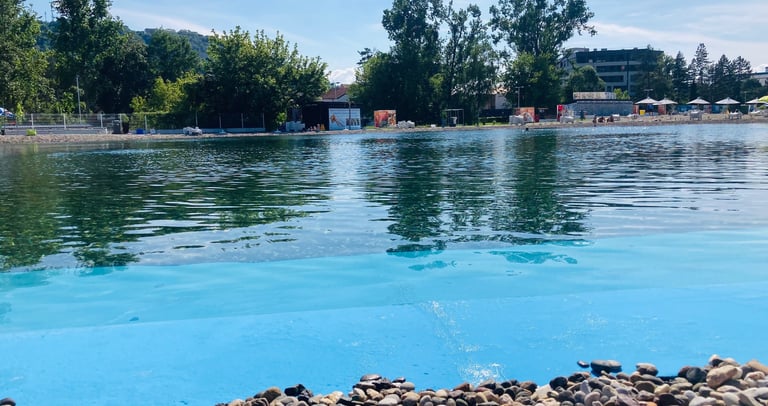
At the heart of Tuzla—Bosnia and Herzegovina’s third-largest city, home to around 110,000 people—lies something wholly unexpected: a beach. Surrounded by the hills of northeastern Bosnia, Tuzla has always been a city built on salt, its very name derived from the Turkish word tuz. Today, that history has been transformed into leisure. In the city centre glitters Pannonian Lake (Panonsko jezero), an artificial saltwater expanse that brings a taste of the seaside to an inland town hundreds of kilometres from the coast.
Tuzla’s salt deposits have been mined for centuries. By the late 20th century, however, mining left scars: sinkholes, unstable ground and urban challenges. Rather than turning away from salt, the city decided to embrace it.
In 2003, engineers and urban planners created the first artificial saltwater lake in Europe right in the city centre. Fed with mineral-rich water, the lake not only provided a recreational oasis but also transformed Tuzla’s reputation—suddenly, this post-industrial town had its own inland seaside.
A Day at the Pannonian Lake
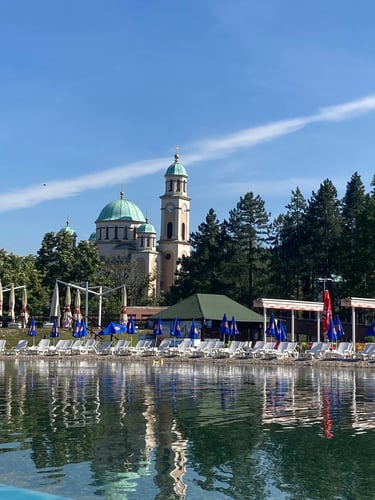
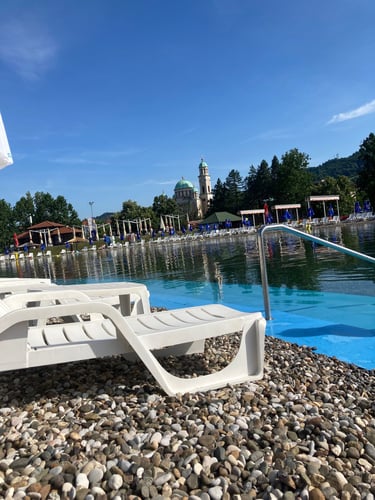
Step through the gates in summer and you’re greeted by a scene that feels more Adriatic than Balkan inland. The lake complex consists of three interconnected lakes, plus a small artificial waterfall, forming a sort of urban resort within walking distance of Tuzla’s main square.
More Than Just a Swim
Around the lakes, landscaped parks, walking paths, and cafes make this more than a dip-and-go experience. The Pannonian Lakes Archaeological Park, located just beside the beach, showcases remains from the Neolithic settlement of Tuzla’s earliest inhabitants—a reminder that this area has been tied to salt and settlement for thousands of years.